
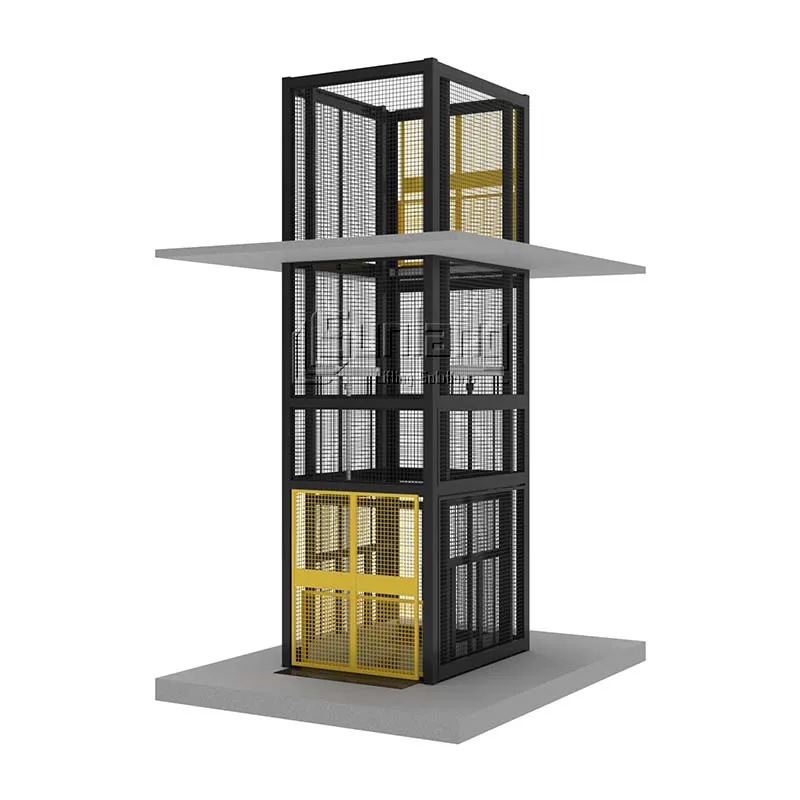
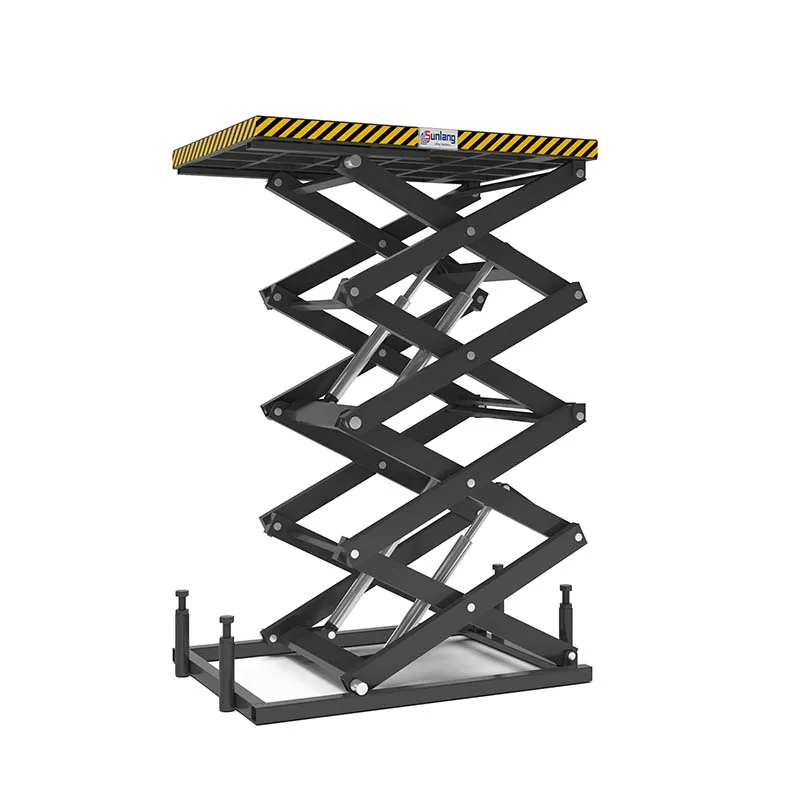
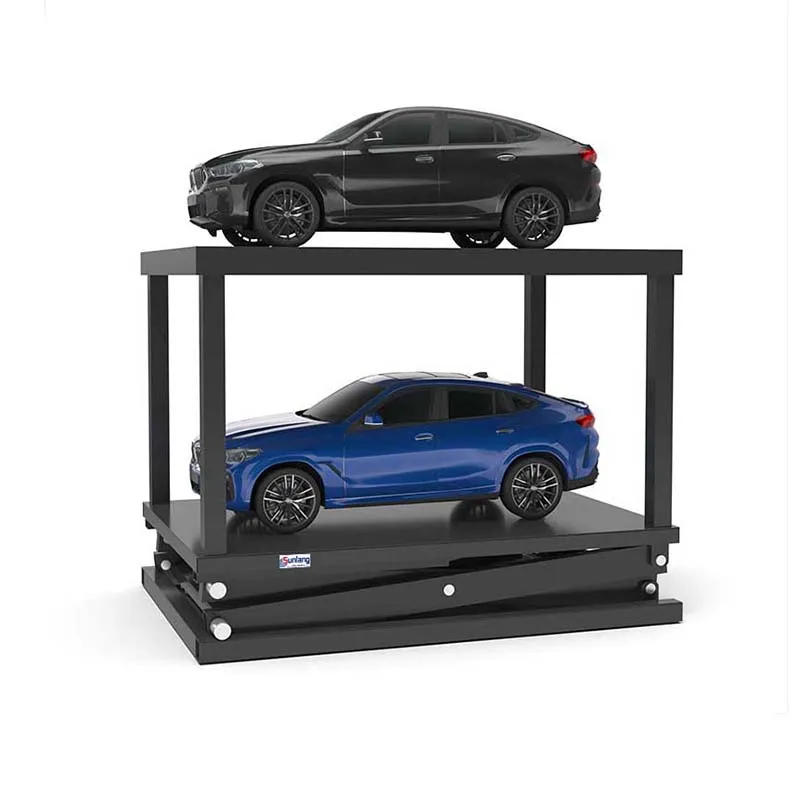
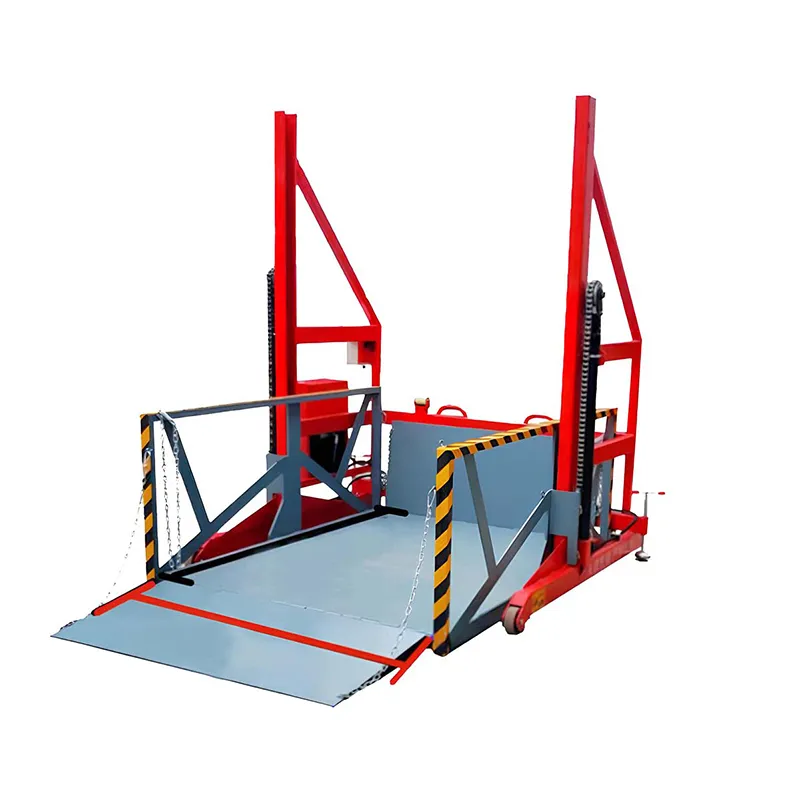
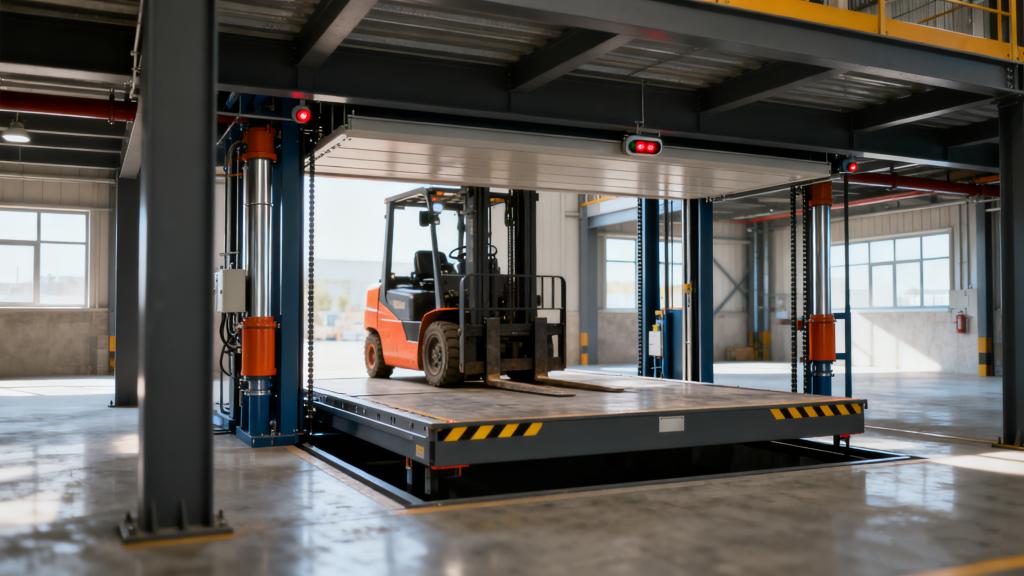
When I face a site with restricted ceiling height, my first priority is making sure a low headroom cargo lift can operate safely while supporting forklifts and pallets. Careful planning at the start prevents costly adjustments, operational delays, and safety issues down the line.
Choosing the Right Lift Type for Limited Overhead
For tight spaces, I usually consider wall-mounted or telescopic hydraulic lifts designed specifically as low headroom cargo lifts. These lifts allow me to fit the platform and cylinder under low ceilings while maintaining full load capacity. Choosing a purpose-built lift avoids unsafe workarounds and ensures smooth operations.
Configuring Power Units and Cylinders in Low Headroom Lifts
I often need to relocate or adjust the hydraulic power unit or cylinders. Options like side-mounted or remote placements reduce vertical space requirements and keep hydraulic lines accessible for maintenance. A well-planned layout ensures the lift operates efficiently without interfering with structural beams.
Selecting Doors That Maximize Clearances
Door choice matters for tight ceiling installations. I prefer vertical sliding, telescopic, or side-opening doors for low headroom cargo lifts. This allows forklifts and pallet trucks to enter and exit safely, reduces trip hazards, and ensures full access even under low beams.
Ensuring Safety in Low-Ceiling Installations
Safety is a top concern. I make sure anti-crush sensors, accurate platform leveling, and automatic stop devices are installed. Measuring headroom above the platform, shaft, and beams ensures clearance and prevents accidents. Proper sensor calibration keeps operators and cargo safe.
Conducting a Site Survey for Low Headroom Cargo Lifts
I meticulously measure shaft width, pit depth, floor flatness, and ceiling height. I also take well-lit photos of each landing, document loading directions, and note obstructions like beams or conduits. Accurate site data allows the installation team to plan efficiently and reduces the risk of costly mistakes.
Optimizing Pit Depth and Guide-Rail Layout
Shallow pit designs often work best in low headroom environments. I design guide-rails and cylinder layouts to minimize structural height while keeping the platform flush with the floor. Using synchronized hydraulic cylinders ensures smooth lifting and lowering, even under heavy loads.
Maintenance and Accessibility in Low Headroom Lifts
Even with limited ceiling height, I plan maintenance access for checking sensors, hydraulic systems, and platform leveling. Easy access prevents downtime and ensures the low headroom cargo lift remains reliable and safe over its lifespan.
Balancing Costs with Operational Needs
Custom low-headroom solutions may raise project costs. I weigh ROI against workflow efficiency, civil work, installation time, and maintenance needs. The right balance ensures operational safety without unnecessary expenses.
My Practical Recommendations for Low Headroom Cargo Lifts
From experience, I always:
- Choose lifts specifically designed for restricted ceilings.
- Plan cylinder and power unit placement early.
- Select doors that maximize clear openings.
- Conduct thorough site measurements and document all obstructions.
- Optimize pit depth and guide-rail layout for smooth operation.
- Ensure maintenance access and safety systems are in place.
These steps reduce risks, improve workflow efficiency, and make the low headroom cargo lift a practical, safe, and cost-effective solution.
About Sunlang
Sunlang designs and manufactures custom hydraulic cargo lifts, lift tables, and loading dock ramps from our factory in Foshan, China. We offer engineer-led project delivery, local installer networks across Southeast Asia & Africa, and comprehensive documentation for AHJ review and third-party inspection. Whether you need a pit-mounted flush lift for conveyor integration or a fast pitless retrofit with minimal civil work, our team provides layout options, capacity verification, FAT/SAT testing, and local commissioning support.
Contact: service@sunlanglift.com
