
Optimized Introduction:
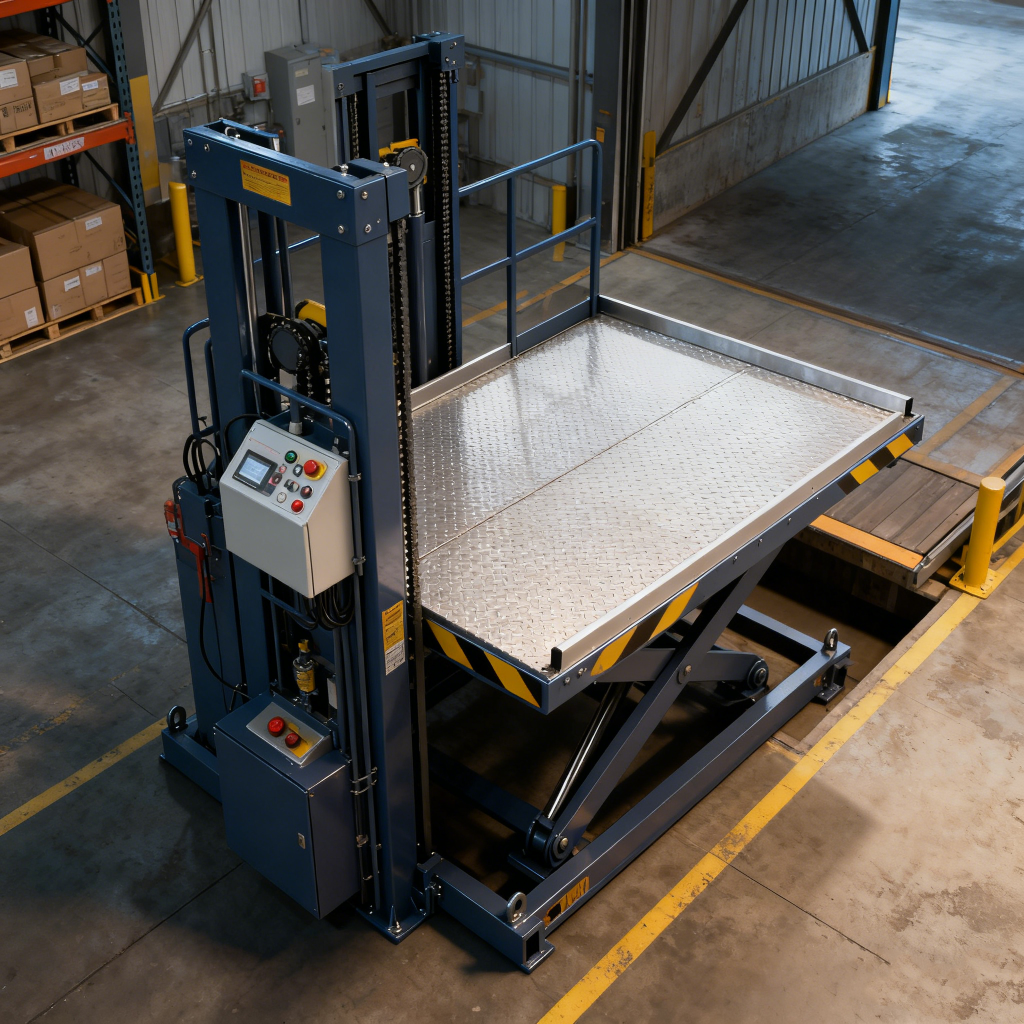
Cargo lift corrosion protection is one of the most important factors to consider when your installation is located in a coastal or high humidity environment. Salt fog, moisture, and long term atmospheric exposure can significantly reduce the lifespan of unprotected steel structures. This guide explains the coating system, film thickness, galvanizing options, stainless fasteners, and inspection methods required to meet ISO 12944 C5 marine-level performance.
1. Why Coastal Cargo Lifts Need Enhanced Corrosion Protection
Coastal areas contain high concentrations of airborne chlorides and moisture. When a steel cargo lift operates within 500 m of the shoreline, corrosion accelerates significantly. Saltwater particles settle on steel components, initiate electrochemical reactions, and quickly penetrate weak or thin coatings.
In ISO 12944 terminology, these locations are classified as C5—Very High Corrosivity (Marine). For cargo lifts used in shipyards, ports, beachside warehouses, fishery plants, and humid tropical regions, using standard paint systems is not enough. Enhancing corrosion protection directly increases safety, reduces downtime, and extends service life.
2. What Coating Systems Work Best for Marine-Grade Cargo Lifts?
For coastal cargo lifts, experts strongly recommend a multi-layer coating system. A typical high-performance marine-grade system includes:
- Zinc-rich primer (cathodic protection)
- Epoxy intermediate coat (barrier protection)
- Polyurethane topcoat (UV resistance + aesthetics)
This combination provides sacrificial protection at scratches, strong adhesion, chemical resistance, and long-term stability in outdoor marine environments.
When specifying the cargo lift coating system, always reference ISO 12944 Part 5 & Part 6, which outline coating combinations tested for C5 conditions.
3. Recommended Film Thickness for C5 Coastal Environments
The total dry film thickness (DFT) is crucial for long-term durability. According to ISO 12944 C5 recommendations, cargo lift structures should achieve:
Total system DFT: 320–500 μm
Breakdown example:
| Layer | Recommended Thickness |
|---|---|
| Zinc-rich primer | 60–80 μm |
| Epoxy intermediate coat | 160–240 μm |
| Polyurethane topcoat | 60–80 μm |
A thicker coating significantly slows the chloride penetration rate.
Under-specifying paint thickness is one of the most common reasons cargo lifts fail early at coastal sites.
4. Do You Need Zinc-Rich Primers or Hot-Dip Galvanizing?
Zinc-rich primers (≥ 80% zinc in dry film)
These primers provide cathodic protection, meaning the zinc corrodes instead of the steel. They are ideal for welded structures and areas prone to abrasion.
Hot-dip galvanizing
This method forms an alloyed zinc layer bonded to the steel.
For aggressive coastal sites, specify:
- Minimum zinc thickness: 115 μm
- Standard: ISO 1461
Which should you choose?
| Environment | Recommendation |
|---|---|
| Moderate coastal | Galvanizing or zinc primer + paint |
| Severe C5 marine | Duplex system (galvanizing + paint) |
| Areas exposed to impact | Zinc-rich primers preferred |
For cargo lifts operating near seawater or in wave-exposed facilities, duplex coating systems provide the longest lifetime—often exceeding 30 years with proper maintenance.
5. When to Use Duplex Systems for Long-Term Durability
A duplex system = galvanizing + paint coating.
Advantages for cargo lift structures:
- 2×–3× longer life than galvanizing alone
- Better color retention
- Higher wear resistance
- Improved edge protection
- Stronger barrier + cathodic protection
In coastal zones with continuous salt spray, a duplex system is often the only method capable of ensuring long-term performance for cargo lifts.
6. How to Verify Coating Thickness Before Shipment
Before your cargo lift leaves the factory, require the manufacturer to provide:
1. Calibrated Dry-Film Thickness (DFT) Reports
Must include measurements from:
- Columns
- Platforms
- Rails
- Brackets
- Weld zones
- Edge corners
2. Visual inspection with ISO 12944 acceptance criteria
3. Holiday testing (for coatings >300 μm)
Detects pinholes, cracks, or micro-defects invisible to the eye.
4. Factory photos + inspection certificates
A professional supplier should willingly provide these quality documents.
7. Should You Upgrade Fasteners and Pins to Stainless Steel?
Yes—especially when installing a cargo lift within 500 m of the coastline.
Recommended materials:
- A4 stainless steel (AISI 316)
- Zinc-flake coated bolts (ISO 10683)
- Duplex stainless for extreme exposure
These materials resist pitting and crevice corrosion, which are common failure points in coastal structures.
Pins, shafts, hinges, and guide rollers should also be upgraded to corrosion-resistant alloys to ensure smooth and safe cargo lift operation.
8. Surface Preparation Requirements for Coastal Cargo Lifts
Even the best coating system fails without proper surface preparation.
For C5 coastal environments, specify:
Surface cleanliness: Sa 2.5 blast cleaning (ISO 8501-1)
Surface roughness profile: 40–75 μm
Proper surface preparation ensures:
- Strong coating adhesion
- Longer corrosion resistance
- Uniform film thickness
If a supplier does not provide blasting certificates or photos, the coating’s durability cannot be guaranteed.
9. Inspection, Maintenance, and Lifecycle Planning
Even a well-protected cargo lift in a coastal region requires scheduled maintenance:
Annual inspections
- Check coating chalking
- Inspect weld joints
- Check for rust stains or coating bubbles
- Inspect fasteners and pins
Touch-up procedures
Use zinc-rich repair compounds compliant with ISO 12944–Part 8.
Lifecycle expectations
With proper specification:
- Standard paint only: 4–7 years
- Zinc primer + paint: 8–12 years
- Duplex system: 15–30+ years
10. Final Recommendations for Cargo Lift Projects in Coastal Regions
To ensure long-lasting performance, always specify:
- ISO 12944 C5-certified coating system
- Total DFT 320–500 μm
- Zinc-rich primer or duplex system
- Stainless steel A4/316 fasteners
- Sa 2.5 surface blasting
- Pre-shipment DFT and inspection reports
- Scheduled maintenance every 12 months
A well-specified corrosion-protection system dramatically enhances the life, safety, and reliability of a cargo lift operating in coastal or high-humidity environments.
Email:service@sunlanglift.com
Website:https://sunlanglift.com/
Send us your site drawings, load profiles, pallet sizes, number of stops, and power—we’ll return a code-aligned proposal and timeline.
