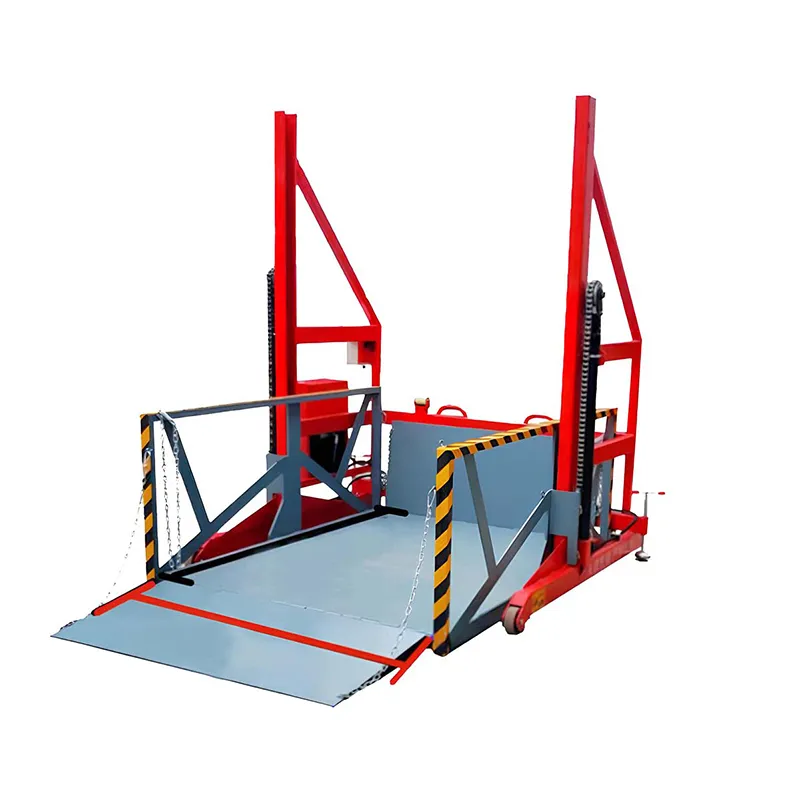
Operating a cargo lift in environments exposed to dust, oil, or chemicals can significantly impact safety, reliability, and equipment lifespan. Facility managers often face questions like: What enclosures and sensors are required? Do bearings and chains need special protection? How can spill risks be managed? This guide provides practical solutions to keep your cargo lift running smoothly under challenging conditions.
IP-Rated Enclosures and Sensors for Cargo Lift Protection
One of the most effective ways to protect cargo lifts from dust, oil, and chemical ingress is by using IP-rated enclosures and sensors. For industrial zones with high dust or oil mist levels, ISO-standard ratings such as IP66 or IP69K are recommended. These enclosures prevent ingress of contaminants while allowing sensors to function reliably.
Key considerations:
- Ensure enclosures are factory-tested for IP rating before shipment, including water-jet spray tests for IP69K verification.
- Use breathable, waterproof vent membranes on enclosure caps to avoid pressure build-up without compromising sealing.
- Route all electrical connections to minimize exposure to spills and airborne chemicals.
Properly rated enclosures are the foundation of long-term cargo lift protection.
Sealed Bearings and Covered Chains
Mechanical components, such as bearings and chains, are vulnerable to contamination in dusty or oily environments. Using sealed (contact-seal) bearings ensures that dust, oil, and other particles do not penetrate moving parts, preventing early wear and equipment failure.
Similarly, covered or enclosed chains reduce exposure to oil mist and dirt, which can accelerate wear and increase maintenance costs.
Best practices include:
- Choose corrosion-resistant or coated fasteners, such as stainless steel or zinc-flake coated bolts.
- Inspect seals and covers periodically to detect wear, contamination, or residue buildup.
These mechanical safeguards are crucial for maintaining cargo lift protection in demanding industrial conditions.
Spill Control and Slip Hazard Management
Spills of oil, hydraulic fluid, or chemicals pose not only a safety risk but can also damage cargo lift components. A well-planned spill control system reduces these risks:
- Install drip trays or bunded containment under equipment to capture leaks.
- Ensure floors are treated with non-slip coatings or mats near cargo lift zones.
- Incorporate proper drainage routing to prevent pooling, especially in areas prone to washdowns or accidental leaks.
Effective spill management protects both operators and cargo lift infrastructure, forming a key part of cargo lift protection strategies.
Cleaning and Maintenance Routine
Regular cleaning and preventive maintenance are vital to maintain lift performance and longevity. For cargo lifts exposed to dust, oil, or chemicals:
- Use neutral or mild alkaline cleaners to remove residues safely.
- Rinse thoroughly and dry completely to prevent moisture-related corrosion.
- Implement Clean-in-Place (CIP) procedures for hydraulic systems where disassembly is difficult.
- Establish a scheduled inspection plan, including checking bearings, gaskets, and surfaces for contamination or wear.
Following a disciplined cleaning regimen ensures continuous cargo lift protection and operational reliability.
Additional Tips for Long-Term Cargo Lift Protection
- Regular inspection: Check all mechanical and electrical components quarterly for signs of corrosion or wear.
- Edge and platform protection: Use rubber bumpers or wheel stops to reduce impact damage.
- Emergency preparedness: Keep spare gaskets, seals, and compatible zinc-rich compounds for quick repairs.
- Documentation: Maintain service logs to track maintenance and identify trends in wear or contamination.
By proactively addressing these details, you extend lift lifespan and minimize costly downtime.
Sunlang Lift designs and manufactures high-quality cargo lifts, lift tables, and material handling solutions from our factory in Foshan, China. We provide engineer-led project delivery, IP-rated systems for harsh environments, and local commissioning support across Southeast Asia and Africa. For layout proposals, capacity verification, or FAT/SAT testing, contact us at:
Email: service@sunlanglift.com
Website: https://sunlanglift.com
