
Cargo lifts — also known as goods lifts, freight lifts, or vertical material transport systems — have become esseAs warehouses and industrial facilities evolve, the need for efficient vertical material handling becomes more pressing. Traditional methods, such as manual lifting, ramps, or frequent forklift use, often slow down operations and introduce safety risks. Cargo lifts solve these challenges by providing a dedicated, reliable vertical transport solution that enhances workflow efficiency and improves safety in demanding environments. In this article, we explain why cargo lifts matter, how to choose the right system, and what benefits they bring to warehouse and industrial operations.
What Is a Cargo Lift and How Does It Work?
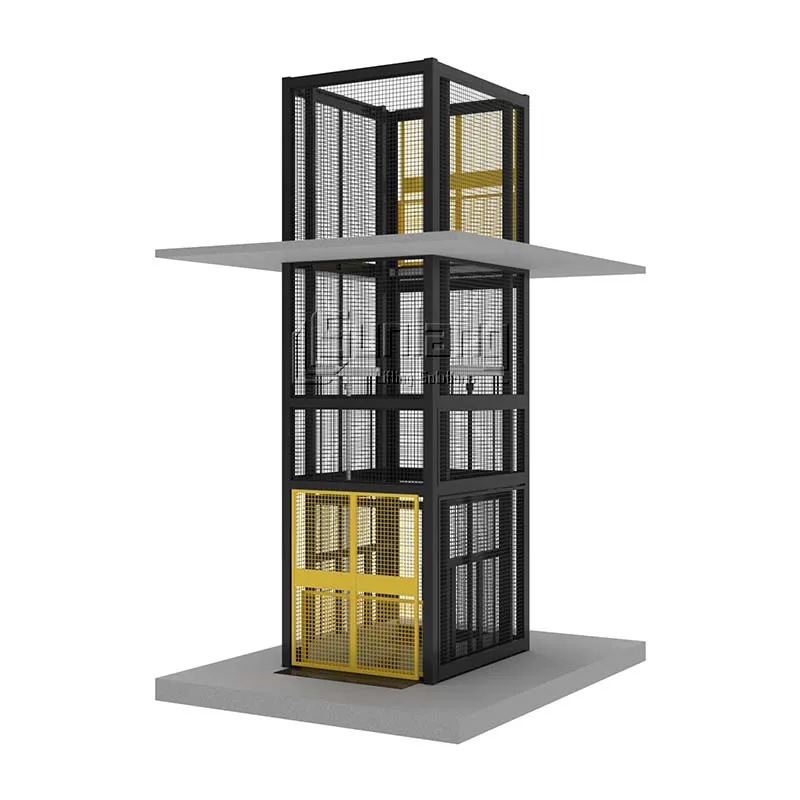
A cargo lift, also known as a goods lift, material lift, or industrial lift, is a mechanical system designed to move goods vertically between different levels. Unlike passenger elevators, cargo lifts are engineered specifically for transporting heavy loads. They handle pallets, machinery, equipment, and bulk goods with precision and safety, making them essential components in modern logistics, manufacturing, and storage facilities.
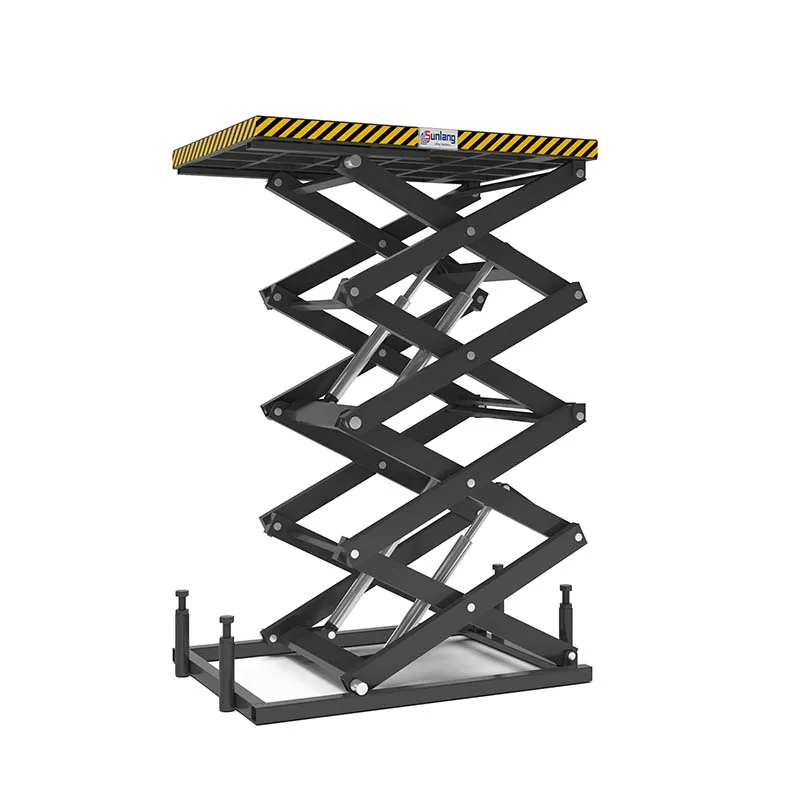
Cargo lifts use robust structural frames and drive systems — typically hydraulic or electric — to lift materials smoothly. These systems are tailored to withstand frequent use and significant loads. Because cargo lifts focus on goods rather than people, they offer simpler installation and greater adaptability to diverse industrial environments.
Why Install a Cargo Lift in Your Facility?
Enhanced Operational Efficiency
Cargo lifts streamline the vertical flow of materials. Instead of moving goods manually or via ramps, equipment operators simply load items onto the platform and activate the lift. This direct vertical transport eliminates delays and reduces dependency on horizontal transport routes, allowing operations to run more smoothly and predictably. As a result, facilities can significantly reduce wait times and maintain a steady throughput of goods.
By automating vertical movement, cargo lifts also free up staff to focus on value‑added tasks. Instead of spending time moving goods between floors, teams can focus on core operations like sorting, packaging, and quality control.
Improved Safety Standards
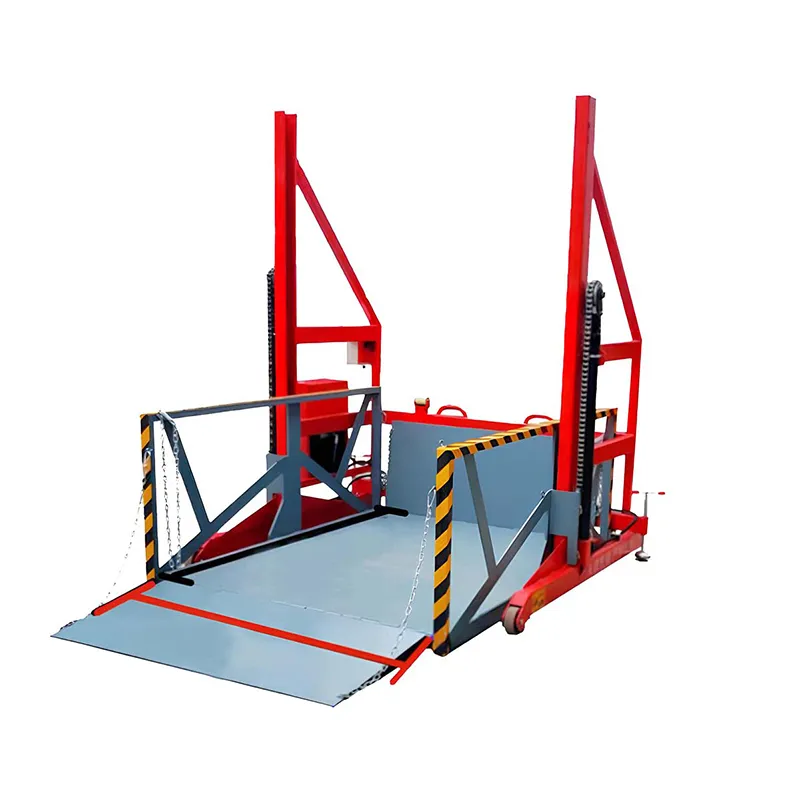
Manual lifting or using forklifts on ramps continues to pose safety risks. Cargo lifts provide a controlled platform for goods, which decreases the likelihood of injuries caused by slips, falls, or equipment collisions. Modern cargo lifts include safety features such as overload protection, emergency stop systems, and interlock doors that enhance safe operation even under demanding conditions.
Furthermore, by reducing forklift traffic inside buildings, cargo lifts help lower noise, fuel usage, and accident exposure. This contributes to a safer and more efficient work environment, which can also support compliance with workplace safety regulations.
Optimized Use of Vertical Space
Warehouses with limited floor space often struggle to balance storage capacity with accessibility. In these cases, cargo lifts unlock the potential of vertical space by connecting multiple levels. They enable companies to expand storage vertically without costly building extensions or horizontal reconfiguration.
Cargo lifts also facilitate efficient placement of inventory in mezzanines, upper floors, or basement areas. This means facilities can store more goods while maintaining accessible transport routes for operational workflows, thus maximizing the return on existing real estate.
Long‑Term Cost Savings
While the initial investment in a cargo lift might seem significant, the long‑term benefits often outweigh upfront costs. Cargo lifts reduce labor expenses by minimizing manual handling and lower operating costs by improving workflow speed. Faster vertical transport also reduces product damage risk and improves order fulfillment consistency, which translates to lower indirect costs associated with delays or errors.
Over time, the combined benefits of labor savings, improved safety, and enhanced operational throughput can lead to a strong return on investment.
What Specifications Matter When Choosing a Cargo Lift?
Selecting the right cargo lift requires careful consideration of several technical factors. These include:
Load Capacity
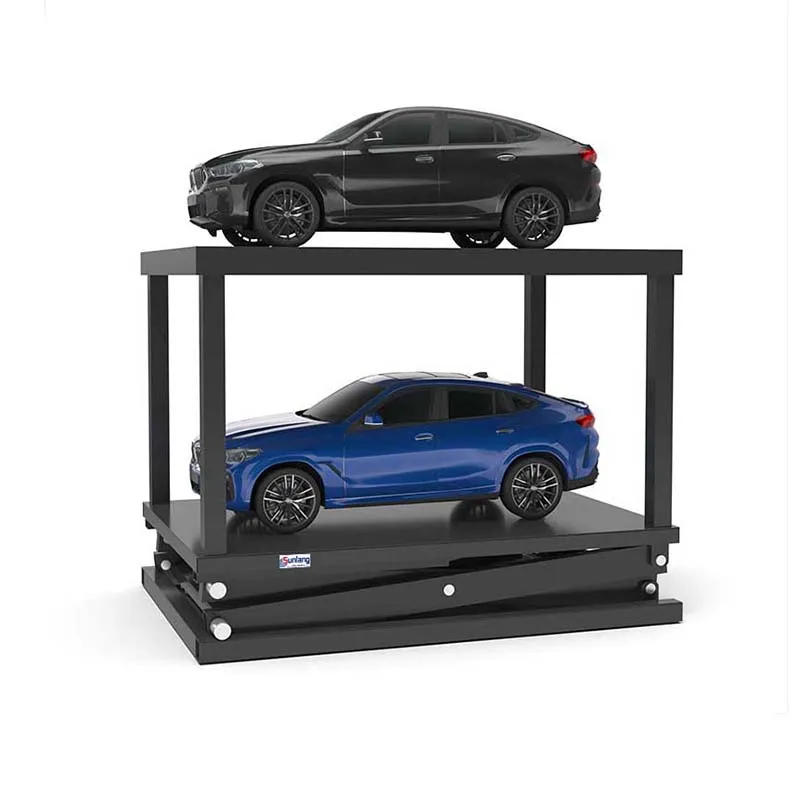
Cargo lifts must safely handle expected load weights. Depending on the facility’s demand, vehicles, pallets, and heavy equipment might require lifts designed for several tons. Typical cargo lift capacities range from a few hundred kilograms up to 10,000 kilograms or more. Consult your supplier to determine the best capacity for your operational needs.
Platform Size
The platform must accommodate the dimensions of items you plan to transport. Oversized goods or special cargo may require wider and deeper platforms to ensure safe loading and unloading. Coordinate platform dimensions with typical cargo sizes, such as standard pallets or custom containers.
Lifting Height and Travel Requirements
Cargo lifts must match the height between facility levels. Whether your warehouse uses a simple mezzanine or multiple stories, the vertical travel distance determines the drive system and structure needed. Some cargo lifts are designed for relatively low lifts, while others can reach significant heights in industrial buildings.
Drive System and Controls
Most cargo lifts use hydraulic drive systems for smooth and stable lifting, especially with heavier loads. Hydraulic lifts tend to be more energy efficient for intermittent use because the system consumes power primarily during the lift motion. However, electric systems may be preferred for specific layout or speed requirements. Evaluate control panel options, such as basic push‑button interfaces or programmable logic controllers (PLCs) that can integrate with warehouse automation systems if needed.
How Safety and Compliance Fit Into Cargo Lift Selection
Safety is a priority in vertical transport. Cargo lift installations should include protective systems that prevent accidents and meet local regulatory requirements. Important safety components include:
- Overload protection to prevent operation beyond safe weight limits.
- Emergency stop mechanisms to halt motion immediately.
- Interlocked doors or gates to protect operators and goods.
These features not only improve safety but also help facilities meet internal risk management objectives. Additionally, some environments — like food processing or cold storage — may require specialized materials or finishes to ensure compliance with hygiene or environmental standards.
Common Applications of Cargo Lifts
Cargo lifts are versatile and support operations in many industries:
- Warehouse storage and distribution centers: Efficiently move goods between loading docks, storage shelves, and picking zones.
- Manufacturing plants: Transfer raw materials and finished components between production levels.
- Retail logistic hubs: Shift bulk inventory without blocking customer areas.
- Construction sites: Safely lift tools, materials, and equipment between floors or mezzanines.
- Cold chain facilities: Maintain efficiency in temperature‑controlled environments where manual handling is risky.
Cargo lifts can adapt to even complex warehouse designs, often integrated into existing workflows without excessive structural modification.
Integration With Warehouse Technology
Modern warehouses increasingly adopt automation technologies like conveyors, robotics, and warehouse management systems (WMS). Cargo lifts can integrate with these systems to support automated material movement. For example, PLC‑enabled cargo lifts can communicate with automation software to schedule vertical transport tasks, contributing to a fully synchronized logistics environment.
Integrating vertical transport equipment into broader automation strategies allows facilities to respond more rapidly to order changes and scale operations without bottlenecks.
Why Custom Cargo Lift Design Matters
Every facility has unique operational patterns, load types, and spatial constraints. Consequently, custom cargo lift design often delivers better results than off‑the‑shelf solutions. Customization helps ensure that load capacities, platform dimensions, travel height, safety features, and control systems align precisely with your operational requirements.
Custom cargo lifts can also support future growth. As storage patterns evolve or throughput demands increase, a tailored lift system can accommodate the shift without requiring a complete replacement.
Conclusion
Cargo lifts are powerful tools for improving warehouse and industrial efficiency. They optimize vertical material handling by reducing manual labor, enhancing safety, maximizing space use, and supporting modern automation needs. Whether your facility needs lightweight cargo movement or heavy‑duty lifting between multiple floors, choosing the right cargo lift solution is critical.
Consider load requirements, platform size, lifting height, control systems, and safety features when selecting a cargo lift. Additionally, customized solutions often offer the best balance of performance and cost‑effectiveness for long‑term operations.
Investing in a well‑designed cargo lift solution positions your facility for greater throughput, improved safety, and sustained operational efficiency.
Contact Sunlang for Expert Cargo Lift Export and Installation Services
Email: service@sunlanglift.com
Website: https://sunlanglift.com
