

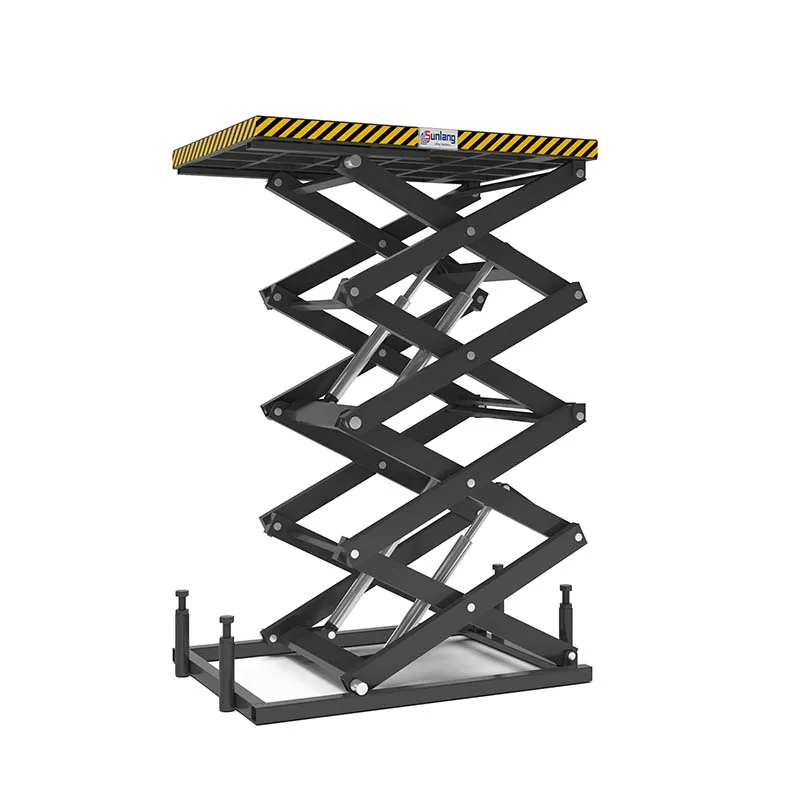

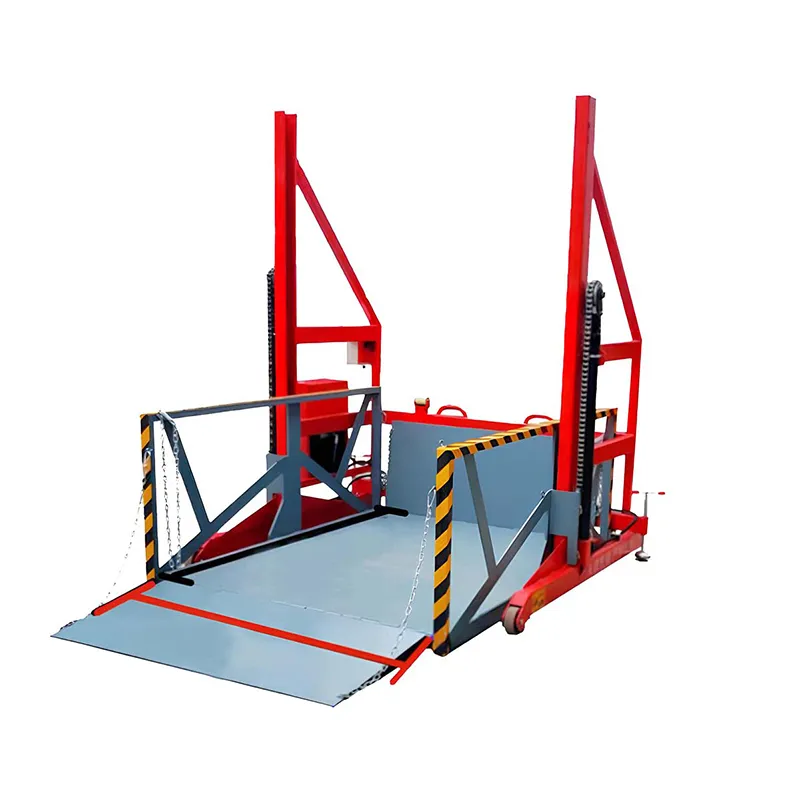
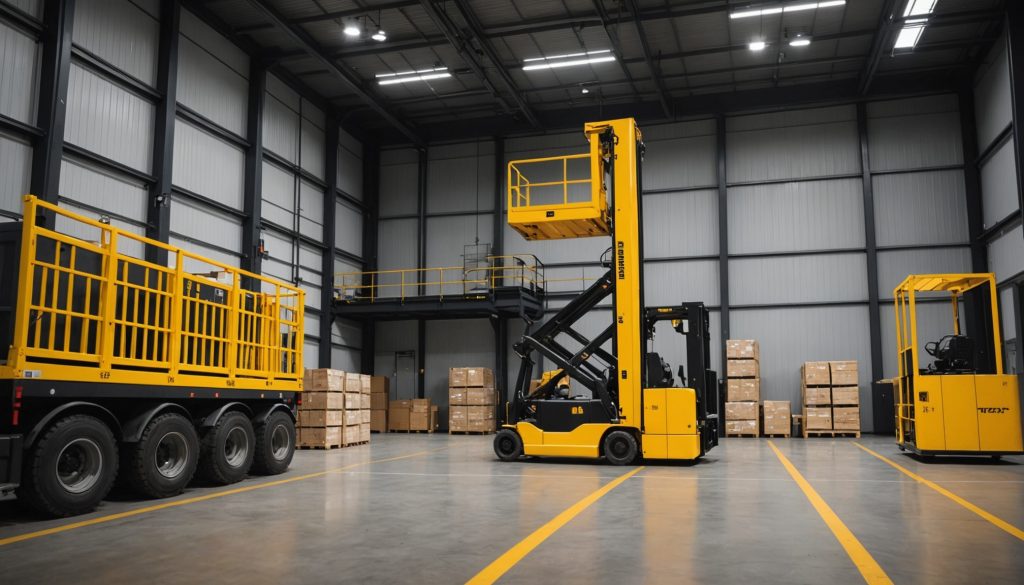
Exporting or importing a cargo lift is more than just shipping heavy machinery—it’s a coordinated process that requires careful planning, documentation, logistics management, and on-site installation. For warehouses, factories, hotels, or retrofit projects, understanding every step ensures safety, compliance, and operational efficiency. This guide provides practical advice from a user and operator perspective, helping you navigate each stage of the cargo lift export and import process.
Why Proper Planning is Essential for Cargo Lift Projects
A cargo lift is a critical piece of equipment for any facility that handles heavy loads or multiple floors. Improper planning can result in shipment delays, damaged equipment, safety hazards, and increased costs. From preparing accurate documentation to ensuring compliance with local regulations and installation requirements, every step is vital for smooth delivery and long-term operation.
For instance, a logistics warehouse importing a 5,000 kg capacity cargo lift experienced delays because the HS code was incorrectly declared. Correcting the classification and resubmitting documents took over a week, affecting project timelines. Proper planning avoids these common pitfalls.
Essential Export and Import Documentation
Having the correct documentation is key to efficient customs clearance and safe transport of a cargo lift. The required documents typically include:
- Commercial Invoice: Details product specifications, quantity, unit price, and total value.
- Packing List: Lists all components, including weight, dimensions, and packaging materials.
- Bill of Lading (B/L) or Air Waybill (AWB): Serves as proof of shipment and identifies transport type.
- Certificate of Origin: Confirms the country of manufacture, which affects customs duties.
- Inspection and Compliance Certificates: Quality inspection reports, third-party test reports, and CE certification ensure structural and functional safety.
Preparing these documents in advance minimizes delays, prevents compliance issues, and allows customs authorities to process the shipment efficiently.
Correct HS Code Classification
Accurate HS code identification is critical for cargo lift import/export. This classification determines import duties, tariffs, and regulatory requirements. Consulting the supplier or freight forwarder early helps prevent errors that could delay shipment or incur fines. Consistency in HS codes across all documents ensures smooth customs clearance.
Pre-Shipment Inspection and Quality Verification
Before shipping, it is important to request inspection certificates or third-party quality reports. Key checks should include:
- Structural integrity of the platform, frame, and safety features.
- Functionality of hydraulic, electric, and mechanical components.
- Compliance with declared load capacity and operational safety standards.
A well-documented inspection process ensures that the cargo lift arrives on-site in operational condition and reduces the need for troubleshooting or repairs.
Compliance With Local Standards
Verifying compliance with local power, electrical, and safety regulations is essential. Differences in voltage, hydraulic pressure, or machinery standards can prevent the lift from operating properly. Key areas to verify include:
- Electrical voltage and frequency compatibility.
- Hydraulic system pressure ratings and limits.
- Emergency stops, safety rails, and anti-slip platform surfaces.
Ensuring compliance with local standards avoids fines, safety hazards, and installation delays.
Specialized Shipping Methods for Heavy Cargo Lifts
Due to their size and weight, cargo lifts often require specialized shipping methods rather than standard container transport:
- Flat-rack containers: Suitable for tall or oversized lifts.
- Break-bulk shipping: For exceptionally heavy or long components.
- Custom wooden or steel crates: Provide additional protection during transport.
Selecting the proper shipping method minimizes damage risk and ensures equipment arrives safely.
Accounting for Logistics and Customs Costs
In addition to the manufacturing price, plan for additional expenses:
- Freight charges for sea, air, or land transport.
- Customs duties, import taxes, and local tariffs.
- Inland transportation and handling fees.
- On-site assembly and installation costs.
Budgeting for these costs upfront prevents unexpected financial surprises and allows accurate project cost planning.
Technical Specifications and Installation Requirements
Clear and detailed technical documentation is crucial for successful installation:
- Platform dimensions and load capacity.
- Pit depth (for pit-mounted lifts) or surface-mount requirements.
- Safety features, including guardrails, anti-slip surfaces, and emergency stops.
- Installation manuals and operator guidelines.
Precise specifications help avoid mismatches between equipment design and site conditions, reducing downtime and installation challenges.
Warranty, Spare Parts, and Maintenance Support
Negotiating robust warranty terms and maintenance agreements is essential for long-term reliability:
- Clearly define warranty coverage and duration.
- Confirm availability and lead time for spare parts.
- Include preventive maintenance schedules and service agreements.
Reliable post-sales support ensures continuous operation and reduces unplanned downtime or repair costs.
Selecting an Experienced Supplier
Choosing a supplier with proven export and installation experience reduces risks:
- Check past international projects in similar markets.
- Confirm familiarity with local customs, regulations, and installation requirements.
- Evaluate ability to provide on-site commissioning, technical support, and troubleshooting.
Experienced suppliers streamline project execution and ensure that your cargo lift meets operational expectations.
Contractual Considerations: Delivery, Payment, and Acceptance
Well-defined contracts protect both the buyer and supplier. Consider including:
- Delivery milestones and estimated shipment dates.
- Payment terms tied to pre-shipment inspection, shipment, and on-site acceptance.
- Acceptance criteria, including functional tests, load trials, and operator training.
- Responsibilities for customs clearance, insurance, and unforeseen contingencies.
Clear contracts reduce disputes and provide accountability throughout the project lifecycle.
Practical Recommendations
- Prepare a complete set of documents, including invoices, packing lists, bills of lading, certificates of origin, and inspection reports.
- Verify the HS code for proper duty and clearance processing.
- Ensure compliance with local electrical, hydraulic, and safety standards.
- Choose appropriate shipping methods based on cargo lift size and weight.
- Plan for additional logistics and customs costs beyond the manufacturing price.
- Obtain detailed technical specifications and installation instructions.
- Secure warranty, spare parts, and maintenance agreements.
- Work with suppliers experienced in international cargo lift export and installation.
- Define delivery milestones, payment terms, and acceptance criteria in contracts.
Following these steps ensures a safe, efficient, and compliant cargo lift delivery from factory to operational use.
Contact Sunlang for Expert Cargo Lift Export and Installation Services
Email: service@sunlanglift.com
Website: https://sunlanglift.com
